Research programme
GCGH keeps detailed records of the patients it treats. With ethics approval, we use anonymised records to learn which treatments work best, as we grow from a general hospital into one that also carries out research.
With Cell Research Corp, GCGH is studying better ways to treat diabetic foot ulcers, one of the most common reasons people with diabetes lose a limb.
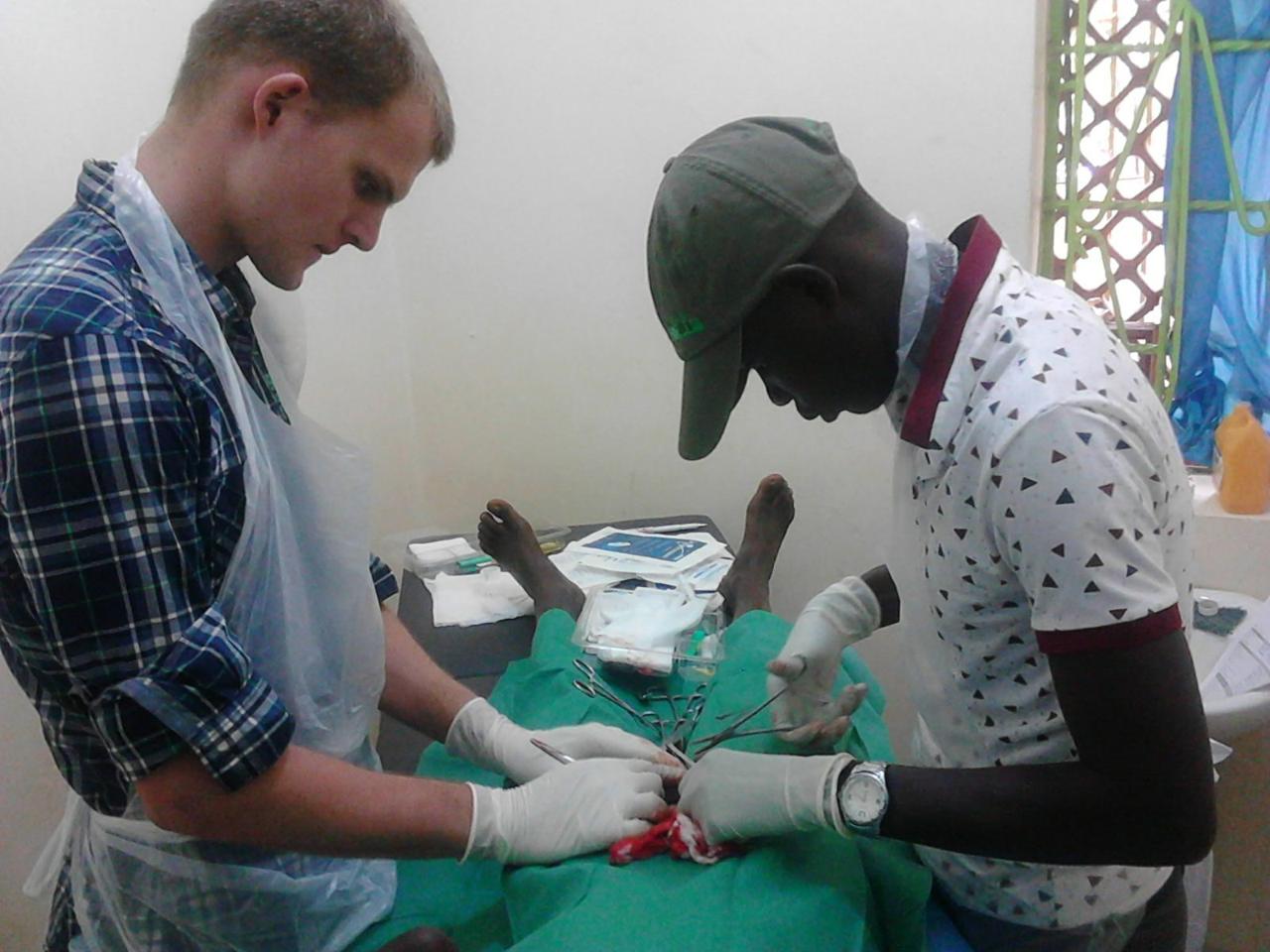
Diabetic foot ulcers are open wounds on the feet of people with diabetes. High blood sugar, poor blood flow, nerve damage and foot deformities all raise the risk. Without good care, an ulcer can lead to amputation.
All patients are treated under our Sollagen Protocol:
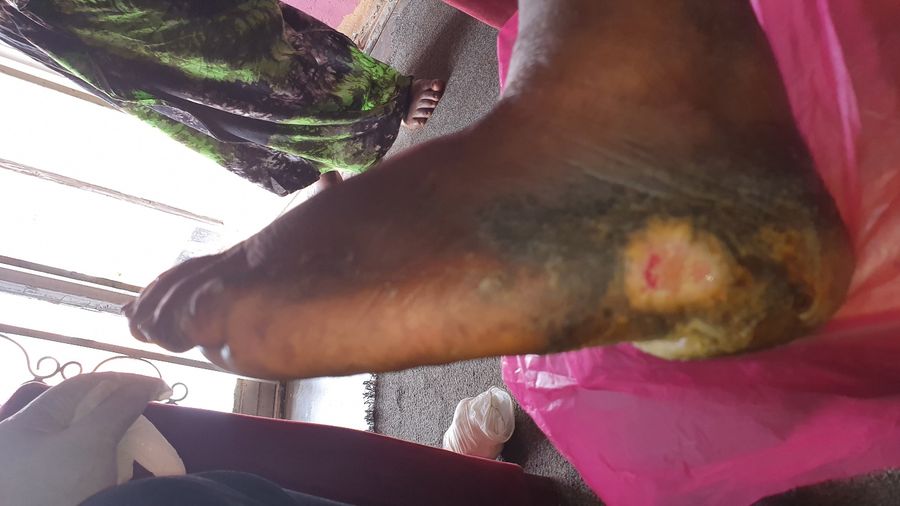
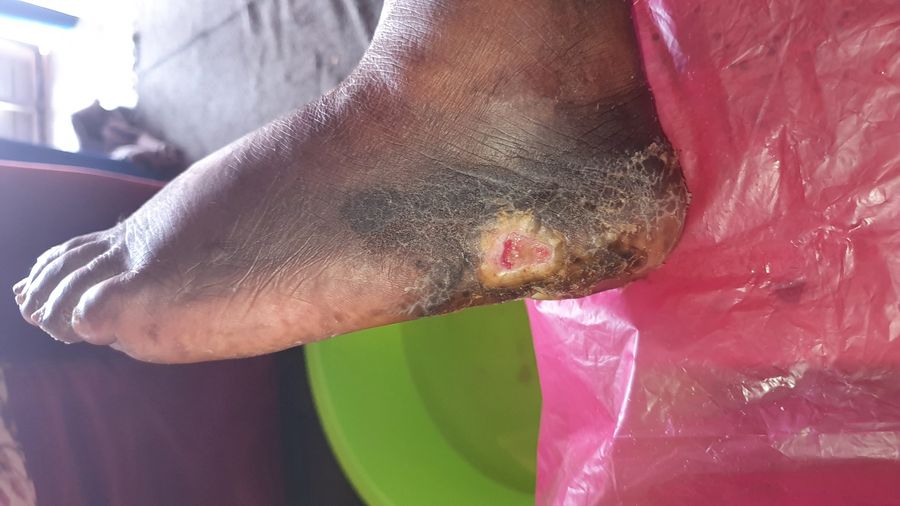
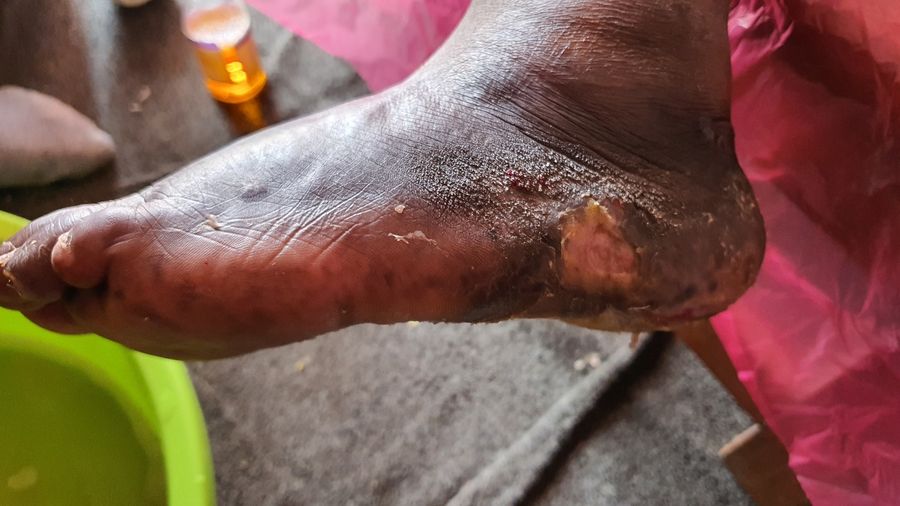
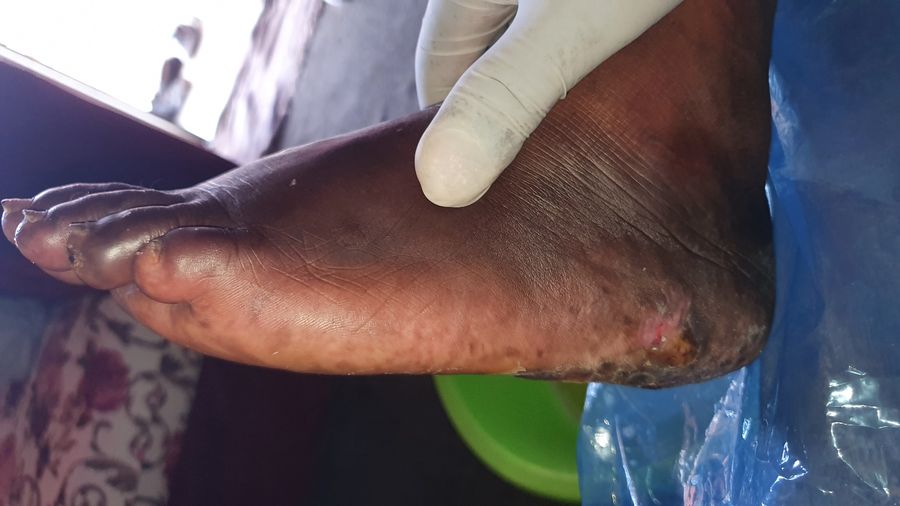
Patient CRC 016, a 48-year-old woman with diabetes for 8 years, controlled on tablets. Her foot ulcer had not healed for 72 days. At the start it measured 35 × 25 mm, with a red, wet base and no infection. Dr Enock Cohen Kabuye treated her under the Sollagen Protocol from 18 October 2022.
| Visit | Date (2022) | Size (mm) | Area change* |
|---|---|---|---|
| TV1 | 18 Oct · Start | 35 × 25 | Start |
| TV2 | 21 Oct · Day 3 | 25 × 25 | −29% |
| TV3 | 25 Oct · Day 7 | 30 × 19 | −35% |
| TV4 | 28 Oct · Day 10 | 20 × 18 | −59% |
| TV5 | 1 Nov · Day 14 | 12 × 12 | −84% |
| TV6 | 4 Nov · Day 17 | 17 × 10 | −81% |
| TV7 | 15 Nov · Day 28 | Healed | −100% |
*Approximate, from length × width. At visit TV6 the wound was briefly a little larger than at TV5, as recorded.
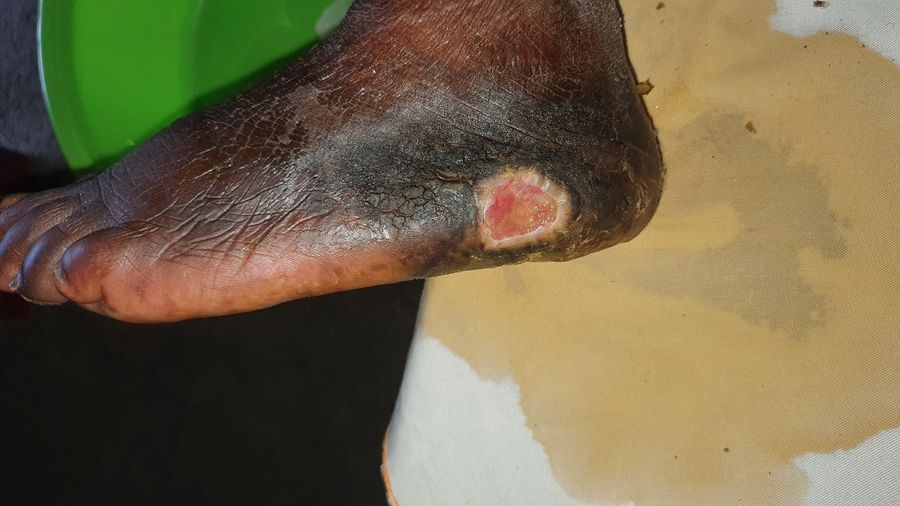
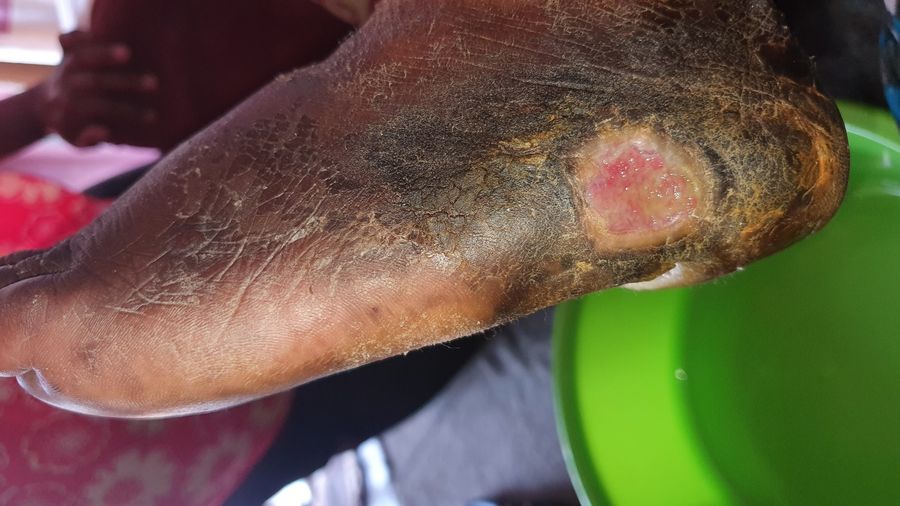
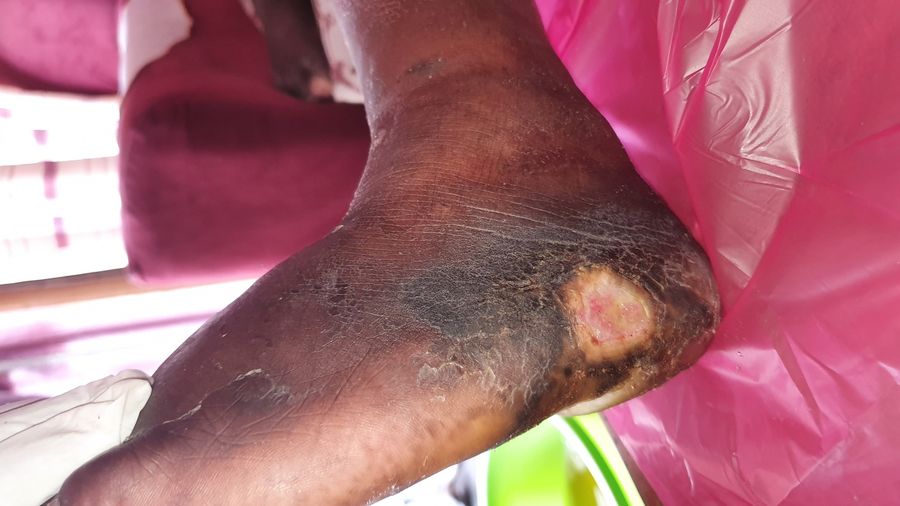
Please note: this is a single case. Results vary between patients: some heal quickly, some more slowly, and some do not improve. Published with the patient's consent; she is identified only by her study code.
Every item below links to the document itself, so anyone can check it.
Proposed by our Director, Adam Hirschfield, these programmes take GCGH beyond everyday care: finding better treatments, preventing disease and training the next generation of health workers.

GCGH keeps detailed records of the patients it treats. With ethics approval, we use anonymised records to learn which treatments work best, as we grow from a general hospital into one that also carries out research.
With local and international partners, we look for better ways to diagnose and treat disease. Our diabetic foot ulcer study with Cell Research Corp is the first of these partnerships.
About the studyWe help respond to outbreaks of infectious diseases such as Ebola, cholera and measles, and to the long-running HIV and tuberculosis epidemics, and we collect the data needed to prevent and treat them better.
Research to reduce avoidable illness and deaths from long-term conditions, and to improve health for people living with HIV, diabetes and high blood pressure.
HIV care at GCGHWe train our own staff and welcome students from Uganda and abroad. Continuous learning keeps our care safe and up to date.
Training, jobs and volunteeringStarted in 2014 because of high rates of complications and deaths in pregnancy. We collect data to prevent avoidable maternal deaths, with extra support for very young mothers, older mothers and women with disabilities.
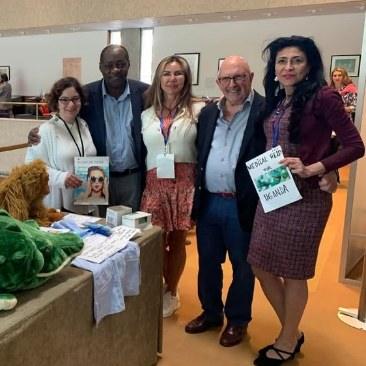
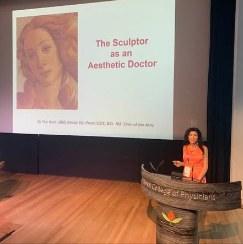
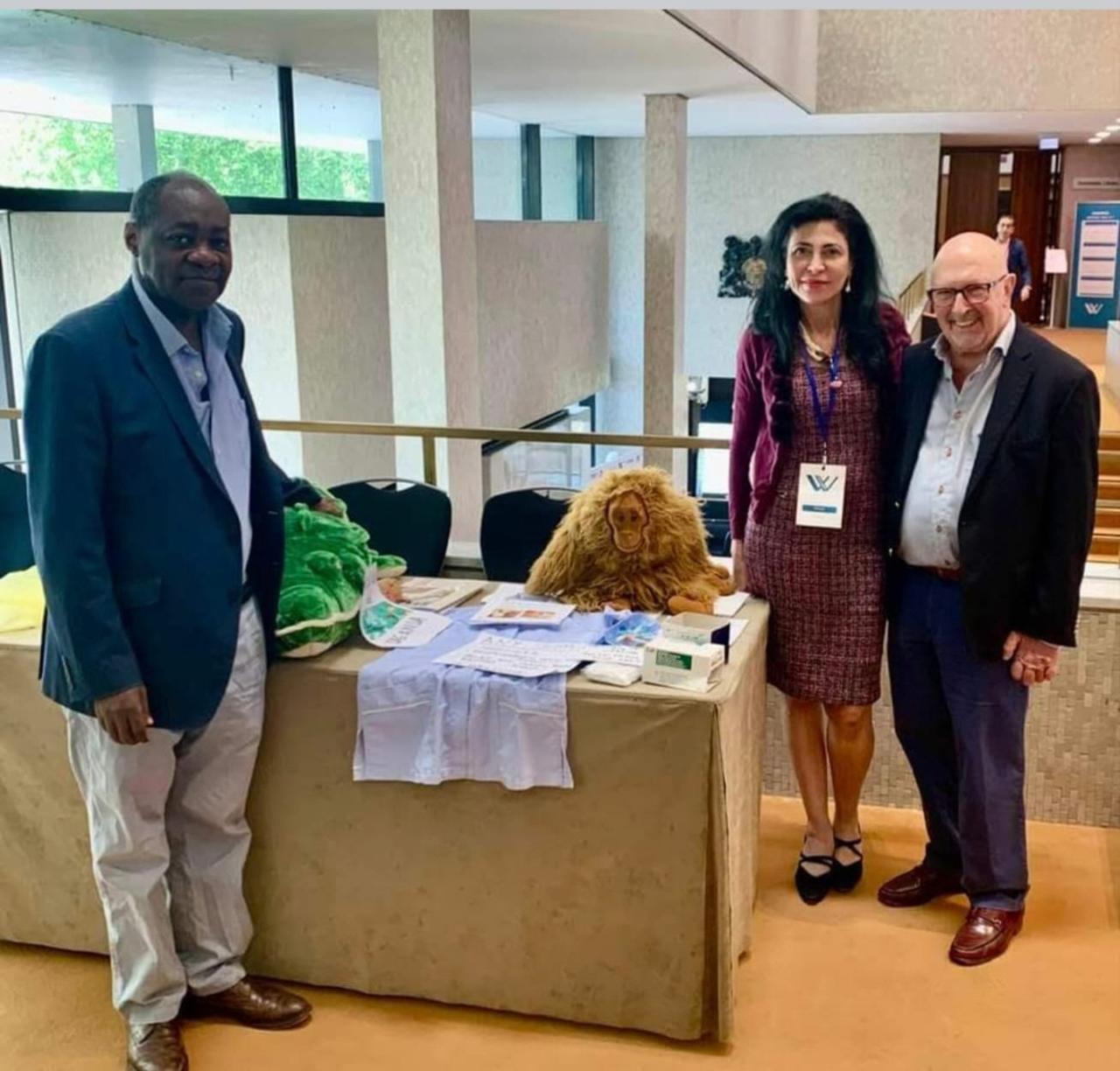
Maternity careIn May 2022, our Director Adam Hirschfield joined Dr Flor Kent at Wigmore Medical Presents, an aesthetic medicine conference held at the Royal College of Physicians in London. Dr Kent gave a talk, The Sculptor as an Aesthetic Doctor, and the #MedicalHelpforUganda table introduced GCGH and its patients to doctors and clinics from the UK and abroad.
During the conference Adam met Nicholas Lang and Dr Ivor Lim of Calecim, from Cell Research Corp in Singapore, our research partner on diabetic foot ulcers. He also met Dr Jamshed JJ Masani and David Hicks, chairman of Wigmore Medical. Meetings like these open the door to the partners, expertise and support that our research and our patients depend on.